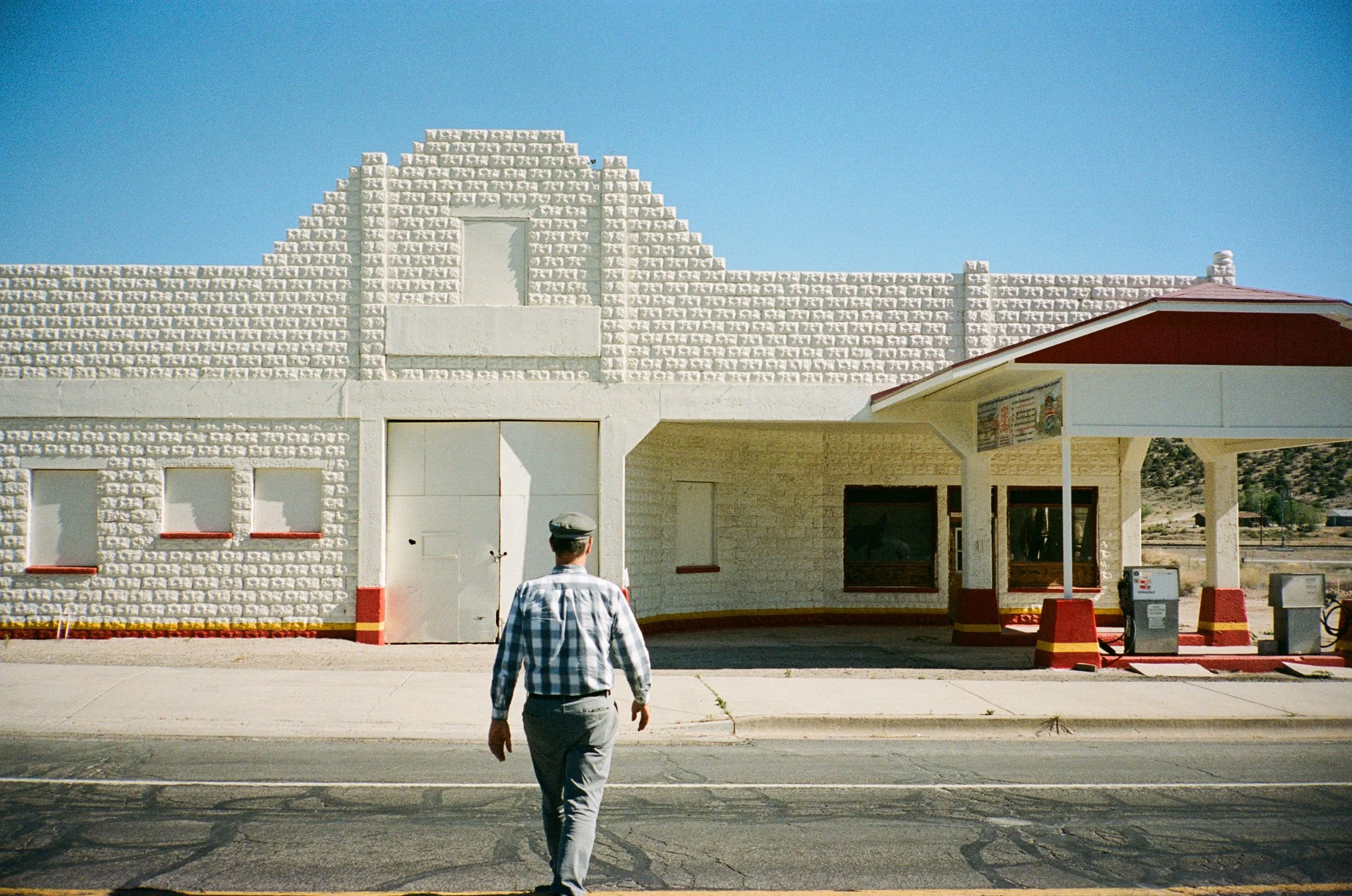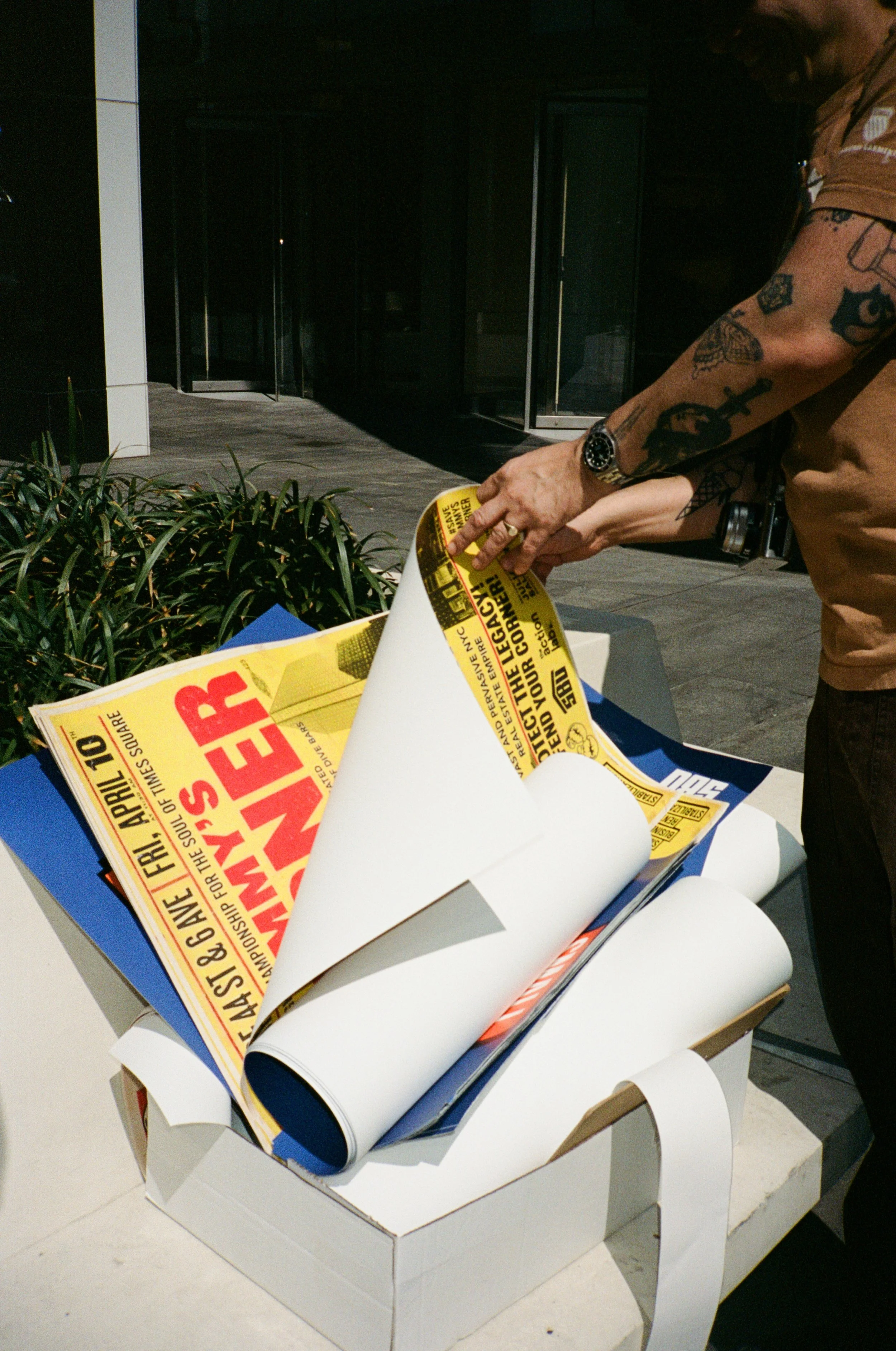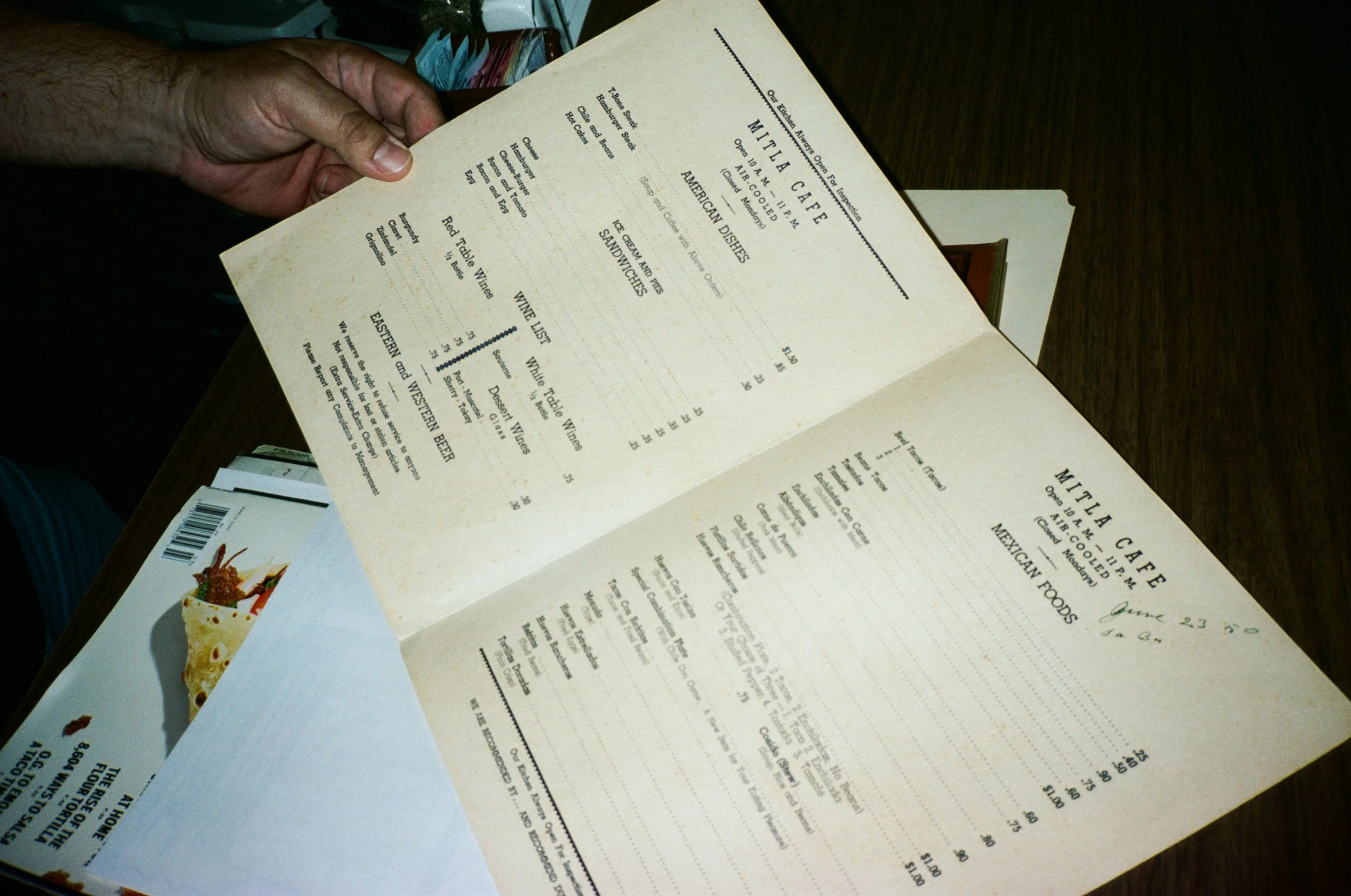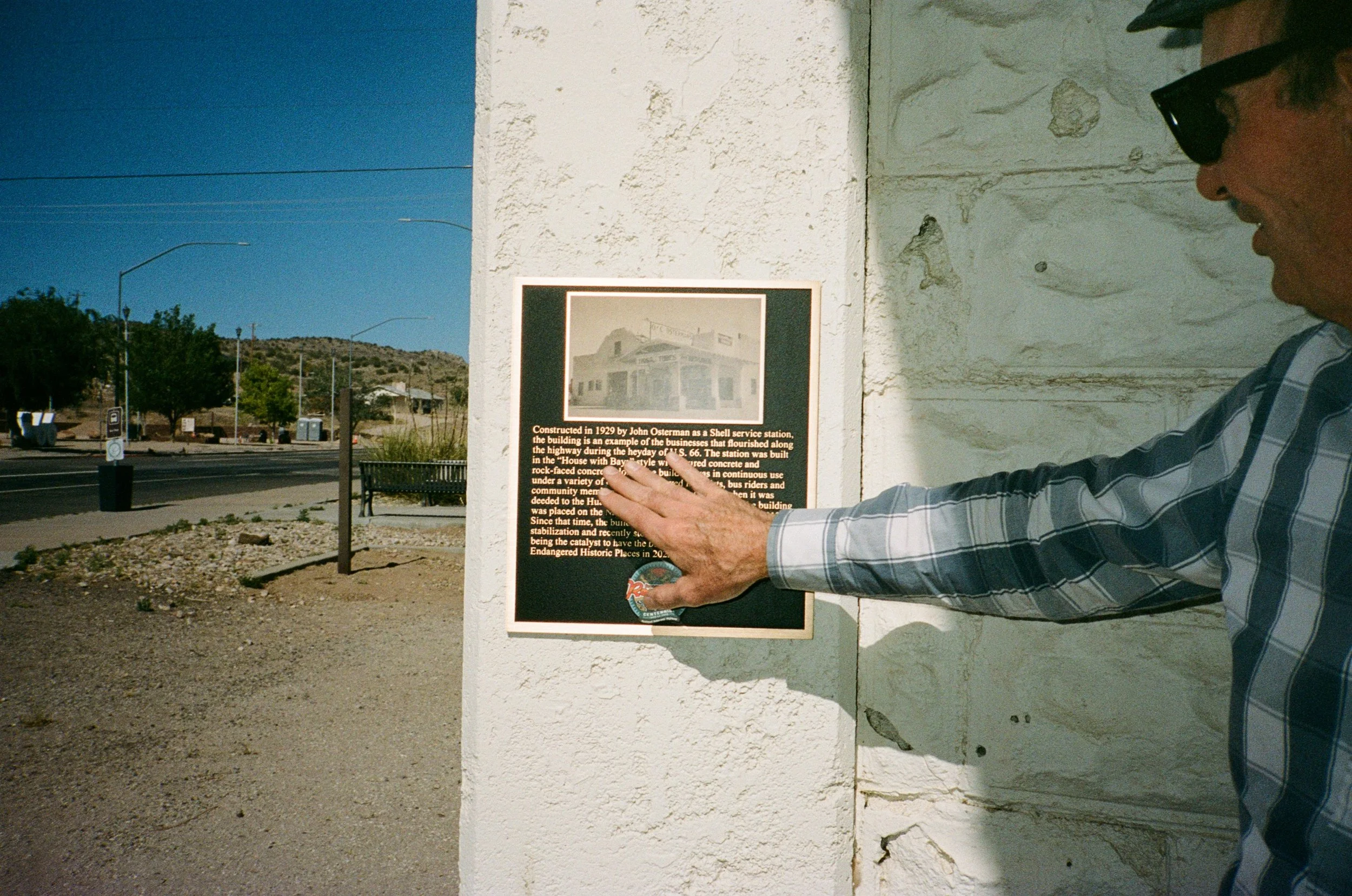

So you want to save something?
In partnership with The Road Ahead Partnership. With support from the National Trust for Historic Preservation
Designed for community advocates, business owners, volunteers, and local residents, the guide translates preservation into a practical, step-by-step process.
-
![]()
John Stratidis
Cozy Soup 'n' Burger • New York, NY
-
![]()
Amanda Signorelli
The Golden Steer • Las Vegas, NV
-
![]()
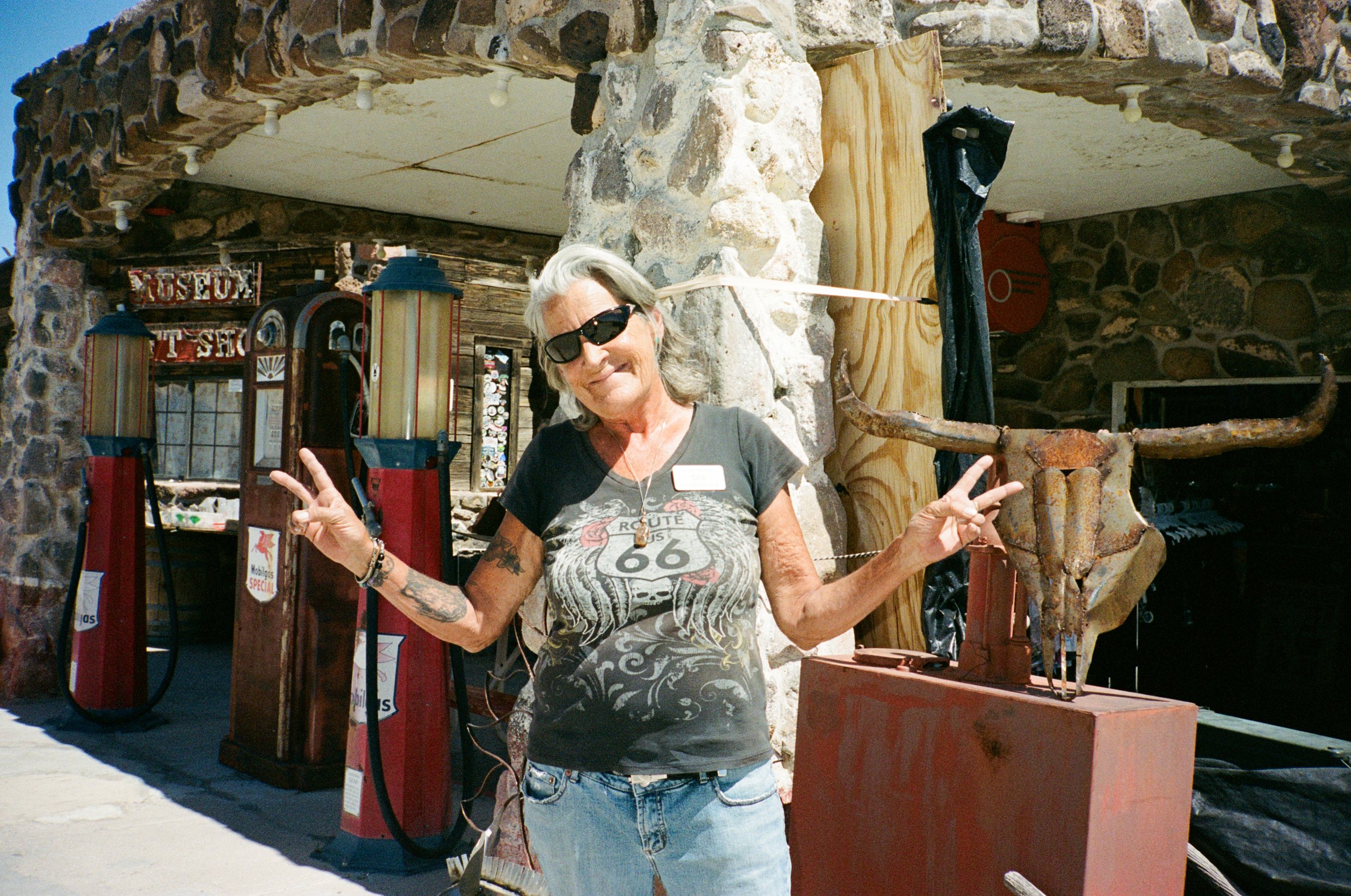
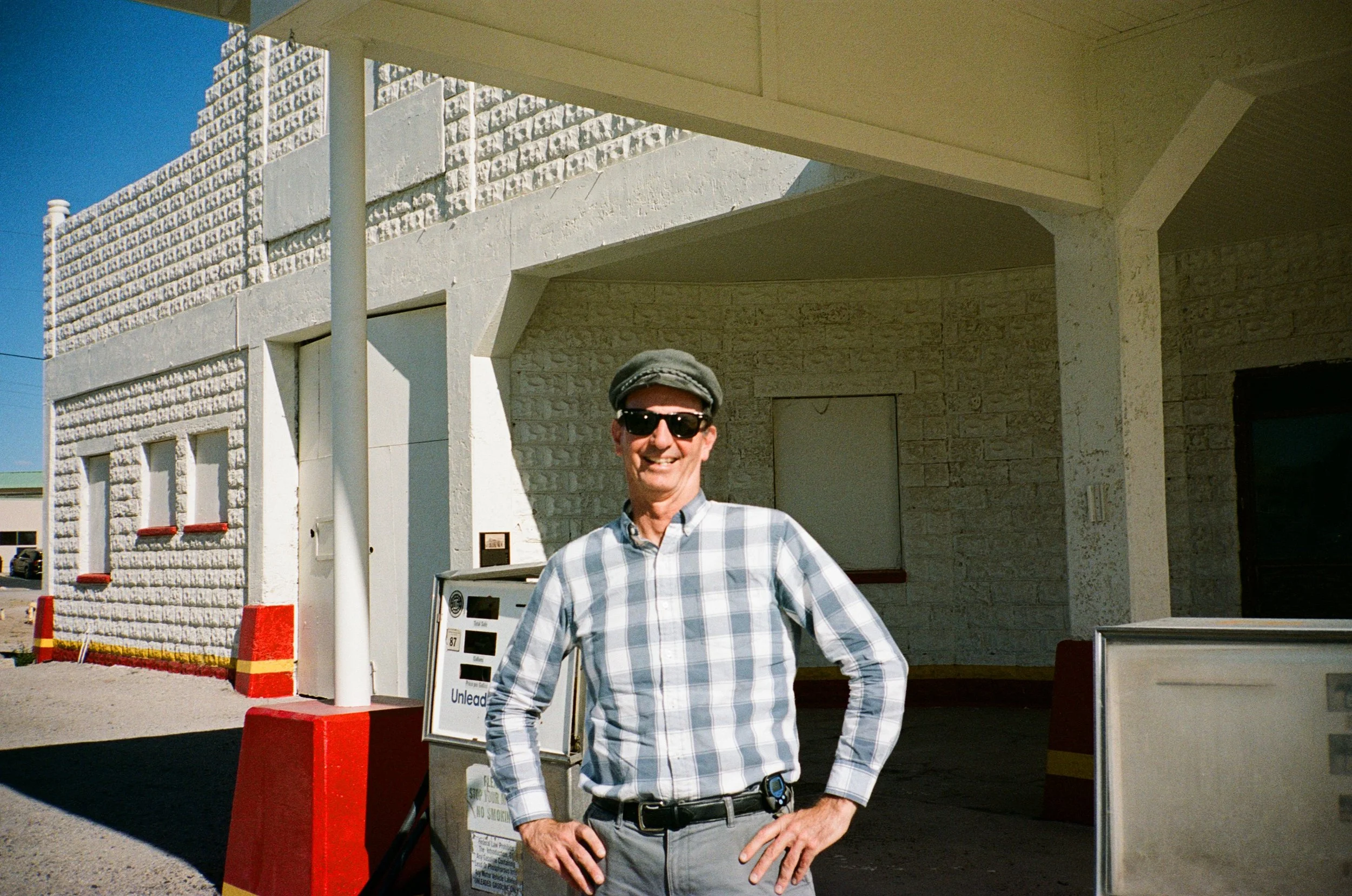
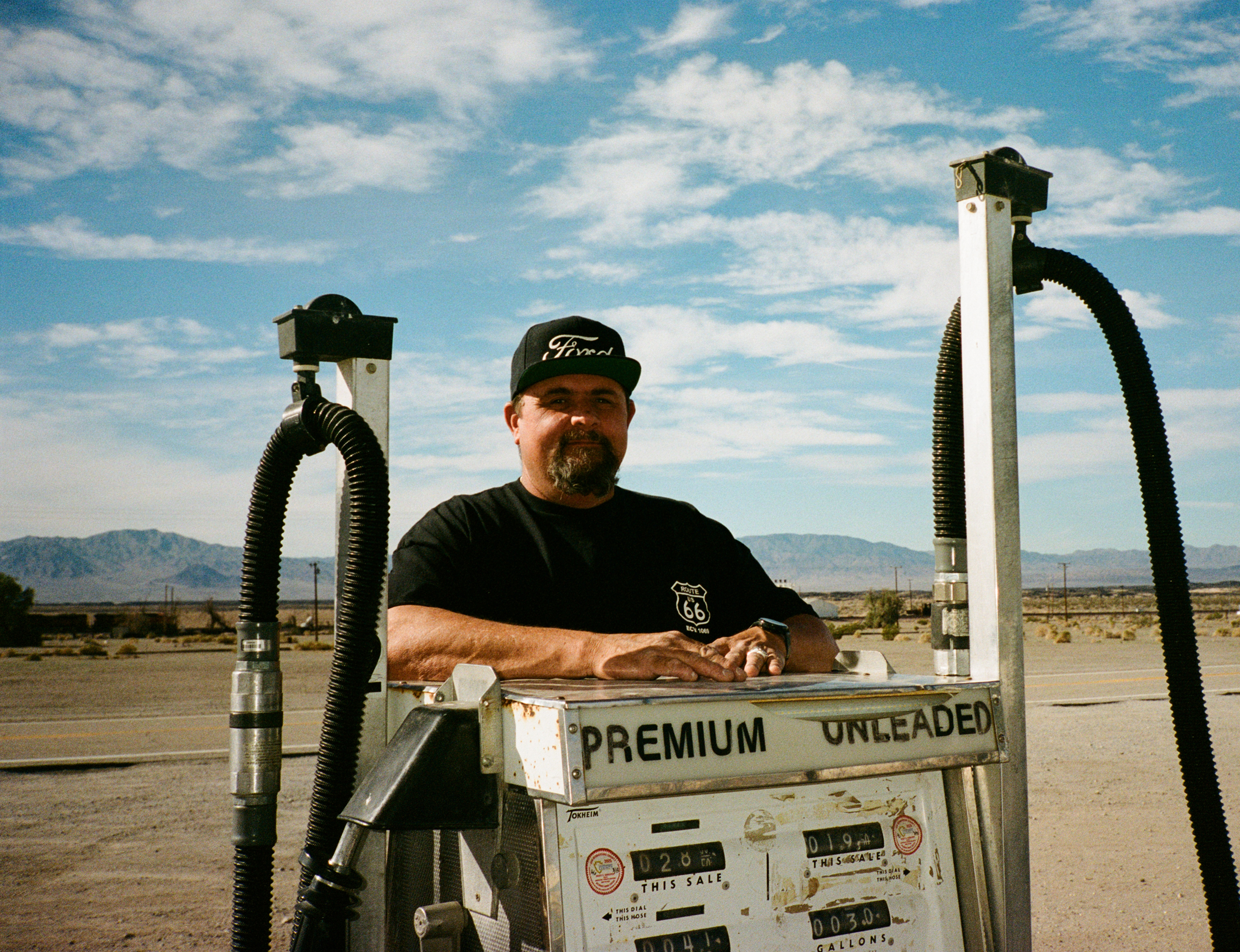
Deb Cook
Cool Springs Station • Golden Valley, AZ
-
![]()
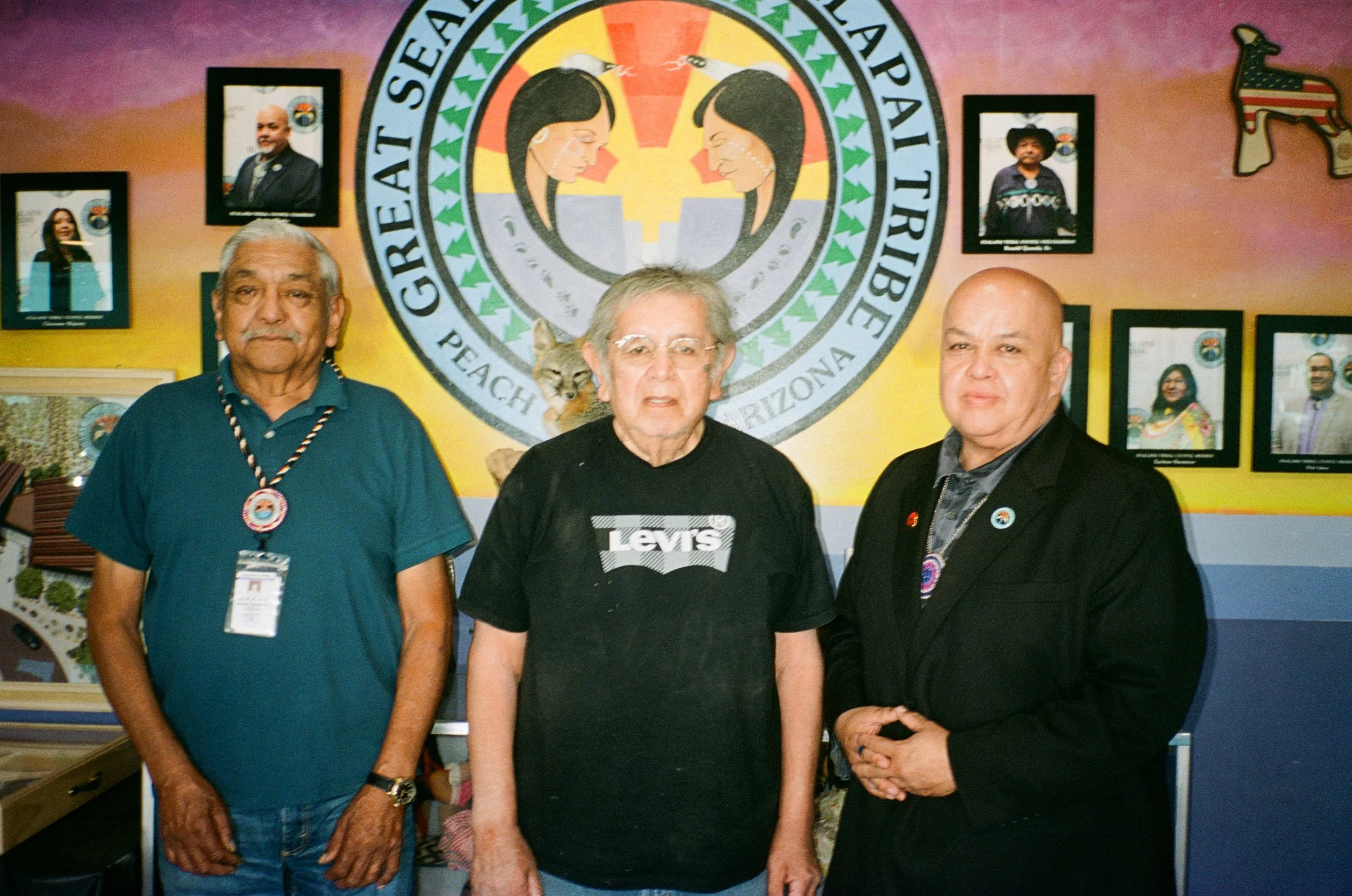
Charlie Vaughn, Ronald Quasula Sr., and Duane Clarke
Hualapai Cultural Center • Peach Springs, AZ
-
![]()
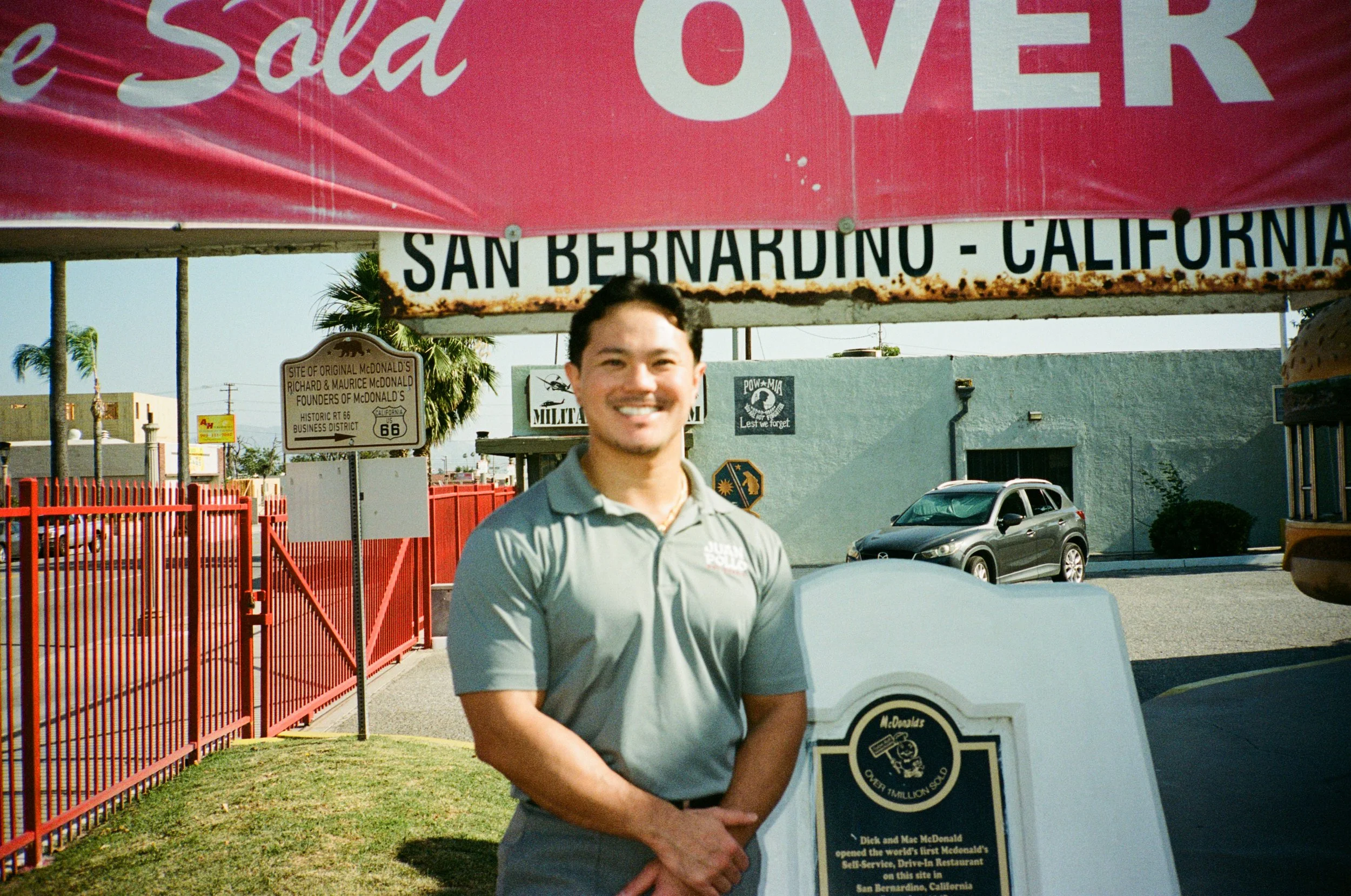
Kyle Okura
Town of Amboy • Amboy, CA
-
![]()
Kevin Davidson
Town of Peach Springs • Peach Springs, AZ
-
![]()
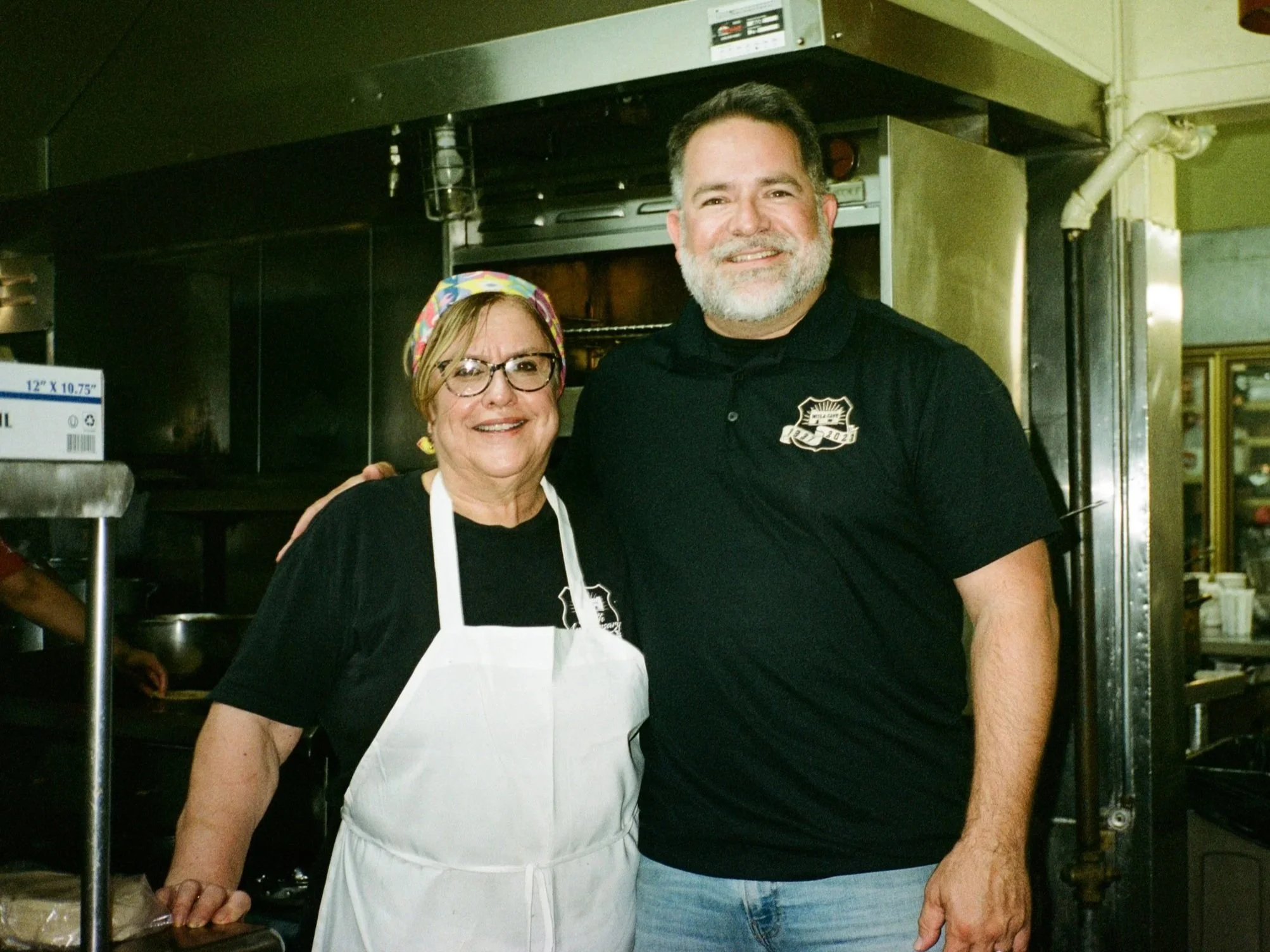
Patti Oquendo, Michael Montaño
Mita Cafe • San Bernardino, CA
-
![]()
Ken Large
Town of Amboy • Amboy, CA
-
![]()
Mark Bradley
Bagdad Cafe • Newberry Springs, CA


A field guide for people who want to save places.
Designed for community advocates, business owners, volunteers, and local residents, the guide translates preservation into a practical, step-by-step process.
-
Recognizing the warning signs of neglect, redevelopment, or demolition before it’s too late.
Preservation usually begins the same way: someone notices that a place they care about might disappear.
Maybe you hear that a historic motel is scheduled for demolition. Maybe a diner has been boarded up for years and is starting to collapse. Maybe a developer has purchased the property and rumors begin to spread.Moments like this can feel urgent, even emotional. But the first step in saving any historic place is simple: understand what the real threat actually is.
Rumors can spread quickly, and they aren’t always accurate. Before assuming the worst, take time to verify what’s actually happening.
Most threats start quietly
The most common threat facing historic places isn’t demolition. It’s neglect.
Older buildings can be expensive to maintain. When business declines, ownership changes, or resources become limited, routine maintenance often gets delayed. A roof leak goes unfixed. Windows break. Building systems fail.
Over time, small problems compound into larger ones: broken windows → water damage → code violations → condemnation → demolition.
This downward spiral happens slowly, and it’s one of the most common ways historic places are lost. The earlier someone notices the warning signs, the better the chances of reversing the damage.
Confirm the Threat
When word spreads that a building may be demolished or redeveloped, the first step is fact-finding.
Ask basic questions:Who owns the property?
Has a demolition permit been filed?
Are redevelopment plans underway?
Is the property already protected or under review?
Is anyone already working to save it?
In some cases, preservation planning may already be underway. If public agencies are involved, there may already be reviews or mitigation efforts in progress. Even then, it’s worth asking what protections are being considered and whether they go far enough.
When the threat is real
If a site is truly endangered, there are still many ways to respond.
While threats can feel discouraging, they often become the moment when people finally rally around a place. Some of the strongest preservation efforts begin only after a building is recognized as being in danger.
Every situation is different, but some of the most effective first steps are surprisingly simple:Bringing attention to the site
Gathering people who care about it
Documenting its condition and history
Asking public officials to consider preservation alternatives
Even when decisions seem to have already been made, community members can still influence the outcome by asking questions, sharing information, and advocating for preservation solutions.
Saving a historic place isn’t always easy. It takes research, patience, collaboration, and persistence. But for many preservationists, helping save a place becomes one of the most rewarding projects of their lives.
When nothing can stop the loss
Not every threat can be prevented.
Natural disasters, fires, accidents, and private property decisions can sometimes lead to demolition, even when a site is historically significant. In those cases, documentation becomes essential.
Photographs, oral histories, architectural drawings, and historical research can preserve the story of a place even if the structure itself disappears.
State Historic Preservation Offices (SHPOs) and programs such as the Historic American Buildings Survey (HABS) can help guide this process. In some cases, and with the owner’s permission, historic materials like signs, architectural details, or artifacts may also be preserved for future interpretation.
Saving the story is always better than losing it entirely.
-
Building the relationships that turn concern into action.
No historic place is saved alone. Preservation succeeds when people come together around a shared purpose.
Preservation rarely begins with a large organization or a formal campaign. More often, it starts with a few people who refuse to let a place disappear.Saving a historic place requires more than passion alone. It requires research, advocacy, fundraising, technical expertise, public awareness, and long-term commitment. Few people possess all of those skills on their own.
That is why preservation succeeds through people finding each other. Every new partner brings something different to the effort: knowledge, experience, resources, connections, or simply the willingness to help.
Preservation is a team effort
The most valuable partners are often the people already connected to a place.
These might include:
Property owners
Employees
Neighbors
Customers
Former residents
Local historians
Community organizations
They understand the site’s history, its challenges, and why it matters. They are often the first to notice when something is wrong, and the first to take action.
As a project grows, so can the team. Preservation organizations, historical societies, tourism offices, local businesses, foundations, government agencies, and subject-matter experts can all become valuable partners depending on the needs of the project.
When people begin sharing knowledge, resources, and responsibilities, preservation becomes far more achievable. Collaboration also allows each person or organization to focus on what they do best, avoiding duplicated effort and expanding what the group can accomplish together.
A Clear Vision Attracts Support
People are far more likely to help when they understand what they’re being asked to support.
Before reaching out to potential partners, articulate a simple vision for the project.Ask yourself:
What place are you trying to save?
Why does it matter?
What future are you trying to create?
The clearer the vision, the easier it becomes for others to understand the project, see where they fit into it, and decide how they can help.The strongest partnerships are also two-way relationships. As you ask others to invest their time, expertise, or resources, consider what you can offer in return. Sometimes that’s sharing knowledge, promoting their work, making introductions, or simply recognizing their contribution. Mutual support builds stronger, longer-lasting partnerships.
Support Grows in Circles
Most preservation efforts begin close to home.
The first supporters are usually people with a direct connection to the place. From there, the circle expands.
A local newspaper might share the story. A preservation group might offer expertise. A donor might help fund repairs. A visitor might become an advocate. A partner organization might open new doors.
Each new connection introduces the place to people who may never have encountered it otherwise.
Over time, what begins as a local concern can attract regional, national, and even international support.Every partner brings something valuable to the effort, whether it’s knowledge, expertise, funding, connections, or simply the willingness to help.
-
Research the people, stories, and cultural context that demonstrate why the place matters.
Preservation arguments are built on evidence, not nostalgia.
Before a place can be protected, restored, or recognized, people need to understand why it matters. That means uncovering the history of the place, who built it, who used it, and how it shaped the life of a community.
The stronger the story, the stronger the case for saving it.
Look beyond the obvious story
Many historic places are remembered through a simplified or nostalgic lens.
But the true history of a place is usually far richer. Buildings and landscapes are shaped by generations of people: workers, travelers, families, business owners, and communities whose stories may not always be visible at first glance.
Some of the most important stories have simply never been told. Look for the people, communities, and perspectives that have been overlooked, left out, or overshadowed by more familiar narratives.
Research helps reveal those layers.
Ask deeper questions
Good preservation research starts with curiosity.
Read old newspapers. Study maps and photographs. Talk to longtime residents. Ask questions, including the uncomfortable ones. The answers often lead to stories that would otherwise be forgotten.
Good research often begins with simple questions:
Who built this place?
Who worked here?
Who passed through it?
How did it shape the surrounding community?
How did the place change over time?
Context gives a place meaning
A single building rarely tells the whole story.
Historic places do not exist in isolation. Understanding how a place connects to the surrounding community, nearby businesses, transportation routes, industries, landscapes, and cultural traditions can reveal why it mattered in the first place.
Looking beyond property lines often uncovers a much larger story.
When those connections become visible, an ordinary building can suddenly take on much greater significance.
The people shaping a place today are just as much a part of its history as the people who built it.
-
Formally recognize a place’s historic significance to unlock protection, funding, and support.
Historic designation is one of the foundations of preservation.
When a place is formally recognized for its historical significance, it gains visibility, credibility, and access to resources that can help ensure its survival.
Historic designation does not save a building on its own. But it often creates the conditions that make preservation possible by strengthening public awareness, supporting advocacy efforts, and opening the door to funding and technical assistance.
Recognition changes the conversation
Before a place is recognized as historic, it may simply appear to be an old or outdated building.
Historic designation reframes that perception.
Once a site is officially recognized, it becomes part of a documented historical record. That recognition can strengthen preservation efforts, attract new supporters, and reinforce the case for saving a place when redevelopment or demolition is proposed.
In many cases, designation is the first step that moves a place from being overlooked to being valued.
[Eligibility at a Glance Checklist]
Several levels of designation exist
Historic recognition can happen at several levels:
Local landmark designation, typically administered by city or municipal governments
State historic registers, managed by state historic preservation offices
National registers, such as the National Register of Historic Places in the United States
Each program serves a different purpose. Local designation often provides the strongest legal protection, while state and national designation can increase visibility, strengthen planning efforts, and improve eligibility for grants, tax incentives, or other preservation funding.
Preservation offices can help guide the process
Most countries, states, and municipalities have preservation agencies that assist with historic designation.
In the United States, State Historic Preservation Offices (SHPOs) help determine eligibility, guide applicants through the nomination process, and administer preservation programs.
Many communities also have local historic commissions, preservation nonprofits, museums, and historical societies that can provide research assistance, technical guidance, and support throughout the process.
Historic designation can seem intimidating, but it is a process that property owners, volunteers, historians, and community advocates successfully complete every year. You do not have to navigate it alone.
Historic designation takes time
Research, documentation, and formal review rarely happen overnight.
Many designation programs take months to complete, and some require review by local or state preservation boards before a nomination is approved. Starting early gives you time to gather evidence, strengthen your application, and work with preservation professionals throughout the process.
The effort can have lasting benefits, creating opportunities for protection, funding, and recognition that extend well beyond the designation itself.
-
Repairing, restoring, or adaptively reusing a historic place so it can continue serving the community.
Preservation ultimately becomes real when work begins on the building itself.
The goal is not to freeze a place in time. It is to extend its life while respecting its historic character.
Not every project requires a full restoration. Sometimes the most important work is simply repairing a roof, stabilizing a foundation, or preventing further deterioration. The right intervention depends on the condition of the building and the future you hope to create.
Restoration is practical work
Historic buildings often need basic repairs before anything else can happen.
That might include:
Repairing roofs, foundations, or structural damage
Restoring historic materials and architectural features
Updating electrical, plumbing, and life-safety systems
Stabilizing the building to prevent further deterioration
The goal is rarely to create a museum piece. Most preservation projects balance historic character with the practical improvements needed to keep a building safe, functional, and in active use.
When done thoughtfully, restoration gives a historic place new life. It attracts attention, builds community pride, and often encourages additional investment in the surrounding neighborhood.
A building needs a future use
Saving a building is only the beginning.
Without a purpose, even a beautifully restored place will eventually fall back into decline. Long-term preservation depends on keeping historic buildings occupied, maintained, and economically sustainable.
In many cases, that means adaptive reuse: finding a new purpose that respects a building’s history while meeting today’s needs.
Common examples include:
Storefronts becoming restaurants or small businesses
Industrial buildings becoming housing or studios
Historic schools or civic buildings becoming community spaces
Train stations becoming museums or visitor centers
A successful adaptive reuse project allows a historic place to continue serving its community, even if its original purpose has changed.
Funding preservation work
Restoration can be expensive, and many successful projects rely on multiple sources of funding.
Depending on the project, support may come from:
Preservation grants
Tax incentive programs
Private foundations
Community fundraising
Philanthropic donations
Local redevelopment initiatives
Fundraising often takes time. Building relationships with preservation organizations, nonprofit partners, financial institutions, and government agencies early in the process can open doors to funding opportunities that might not otherwise be available.
[Funding Preservation Work resource box]
Preservation professionals can help
Historic preservation is a specialized field, and many projects benefit from experienced guidance.
Architects, contractors, engineers, craftspeople, and preservation consultants who understand historic buildings can help identify appropriate materials, solve technical challenges, and avoid costly mistakes.
Many State Historic Preservation Offices (SHPOs), local preservation commissions, and nonprofit organizations can also provide technical guidance, planning assistance, and information about funding opportunities.
Before beginning work, gather photographs, drawings, and other records that show how the place looked in the past. It can also help to visit similar projects and speak with people who have already completed comparable work. Their experience can clarify what the project may require in time, money, and expertise.
[Preservation Standards resource box]
Preservation is ongoing
A successful restoration does not guarantee a place’s future.
Historic places need owners, tenants, customers, volunteers, caretakers, and advocates. They need routine maintenance, operating budgets, and reasons for people to keep coming back.
The most successful preservation projects are never truly finished. They continue evolving as communities change and new generations take responsibility for them.
Saving a place is important.
Keeping it alive is the harder part.